Rooms &
Stories.

Walk-in time capsules in the historic townhouse from 1773: scientifically researched, authentically furnished, accessible to all.

The Permanent Exhibition

A house from 1773, told room by room

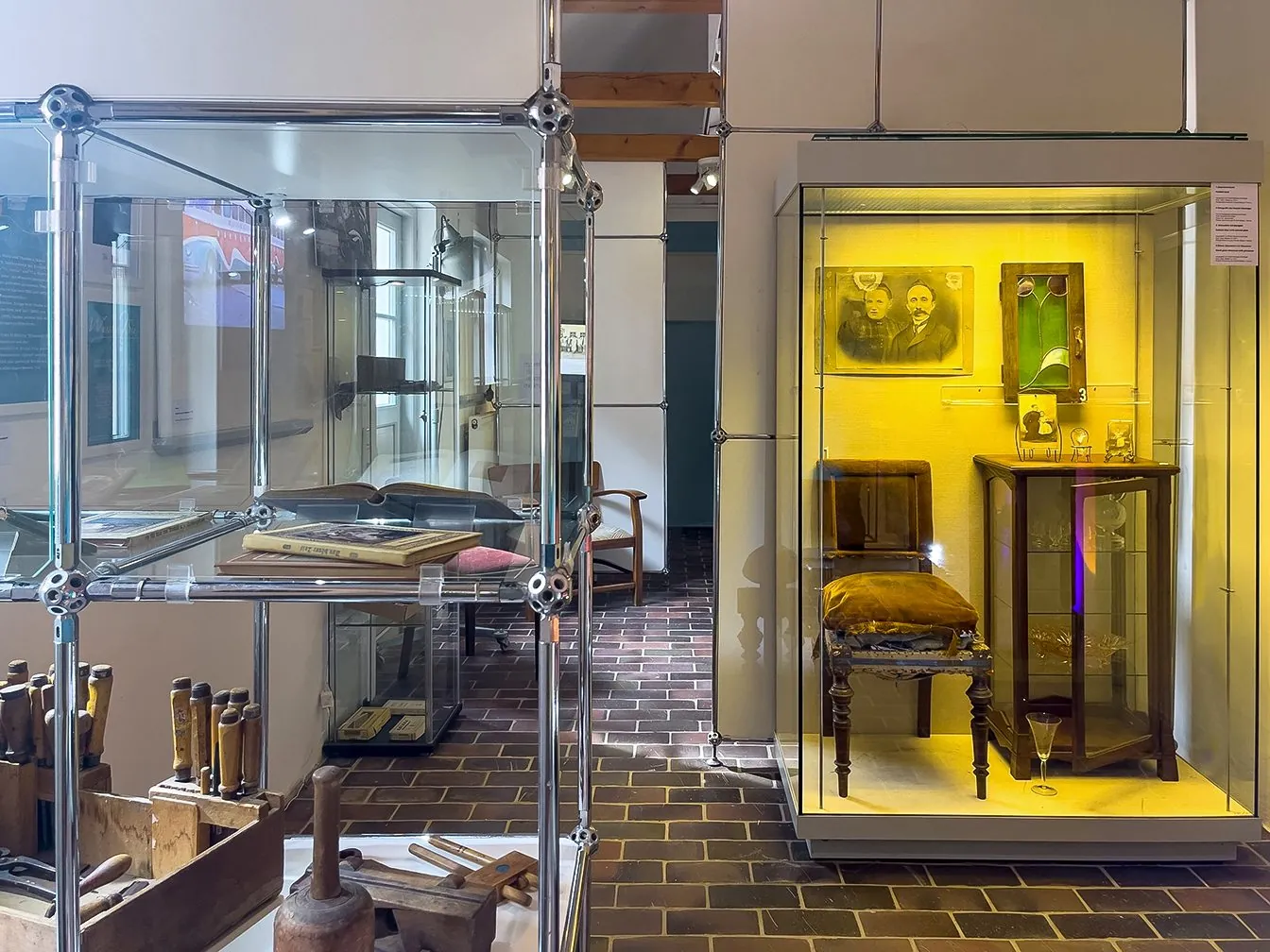
The listed Oldenburg gabled house from 1773 forms the setting for our permanent exhibition. On two floors you discover fully furnished workshops, shops and living spaces of the region.

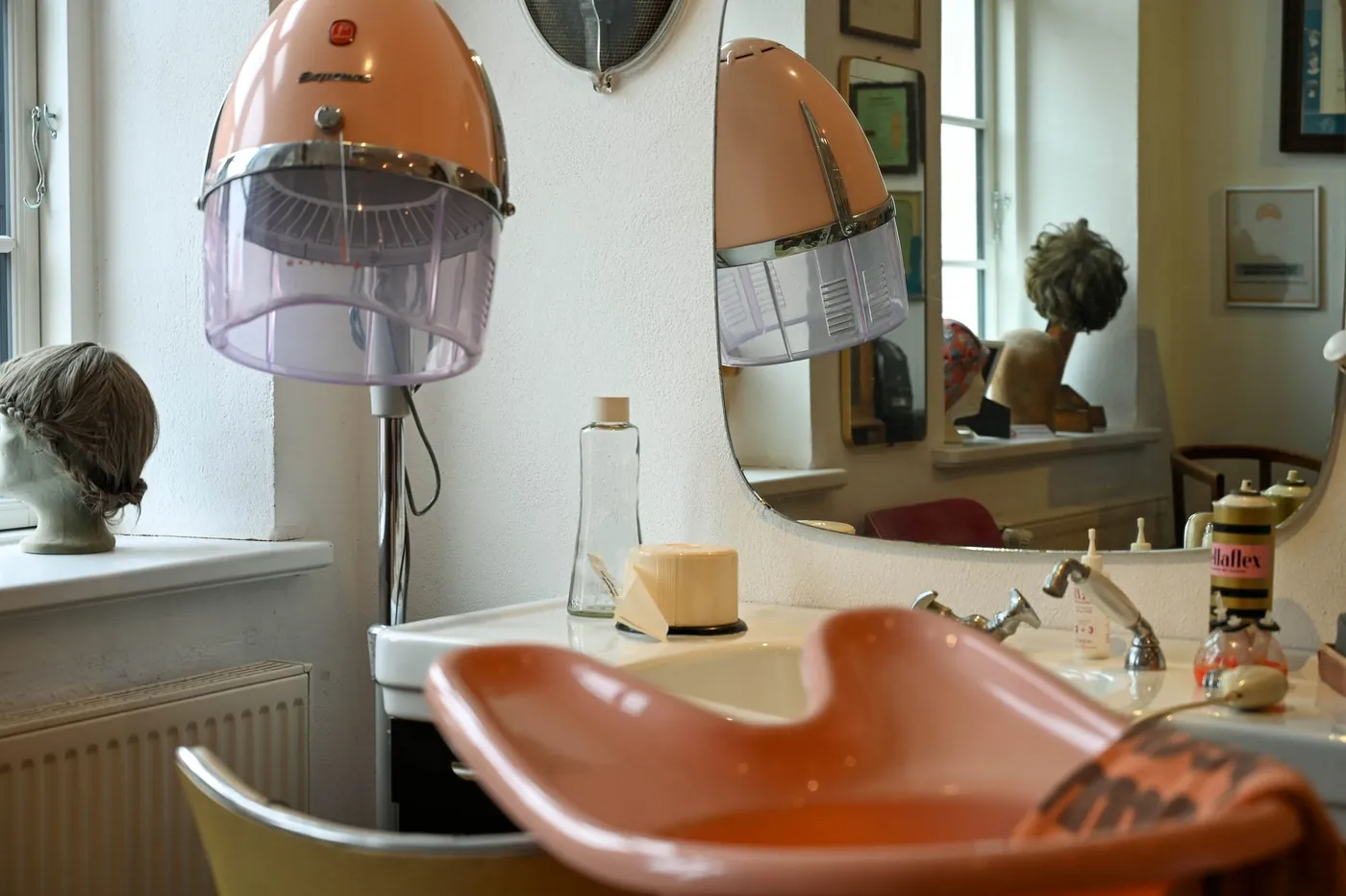
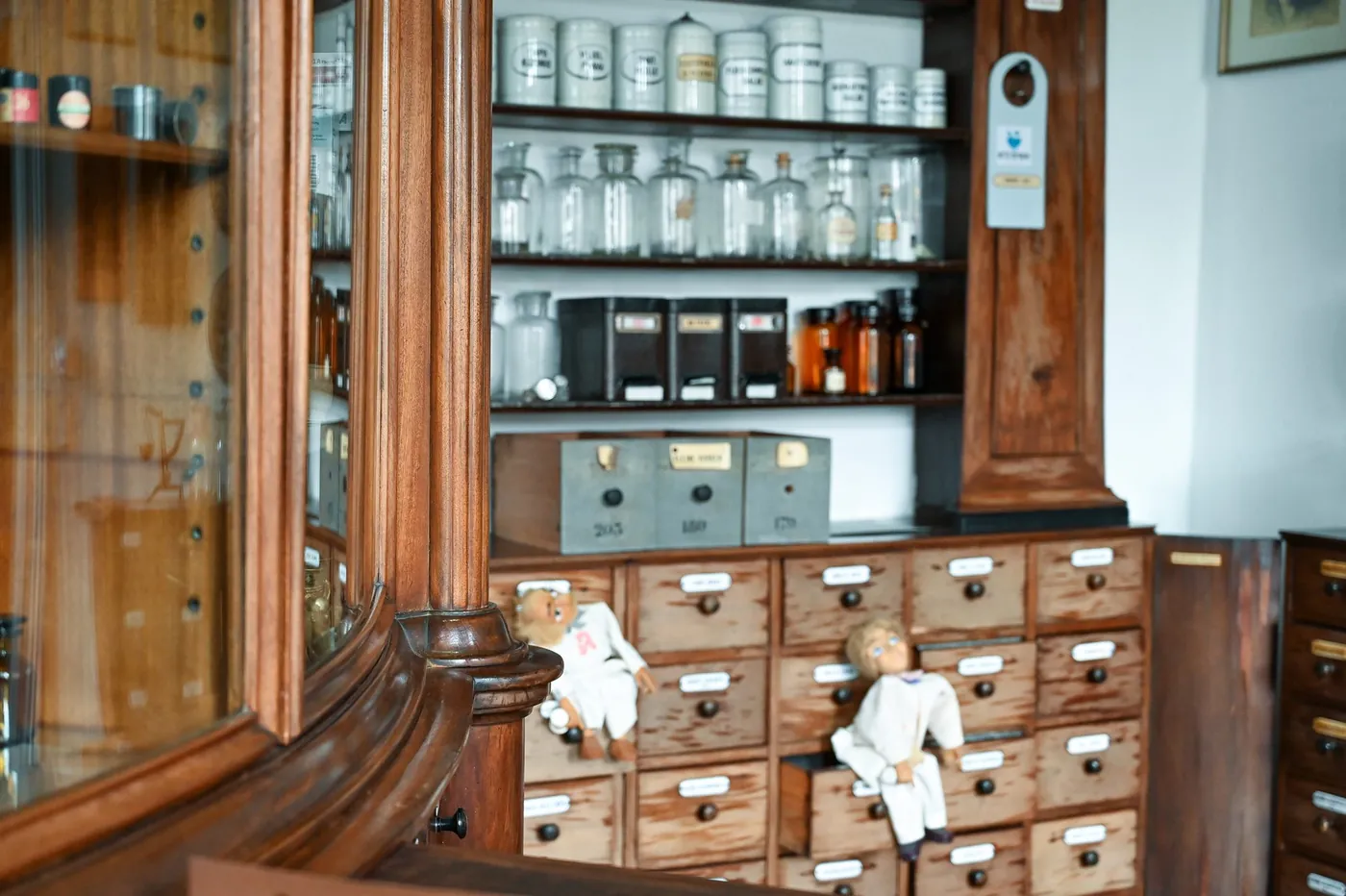
From the Burg Pharmacy and the bakery to the watchmaker's workshop and thatching: every room tells its own story, authentic, tangible, unforgettable.

The Collection

What awaits you

More than 11,500 exhibits tell of the crafts and everyday life of earlier times across about 520 m²: in the permanent exhibition, in changing special exhibitions and in the museum garden.

Exhibits
11.500from 650 years of crafts and everyday history
Permanent Exhibition
280 m²five chapters in the main house and outbuildings
Special exhibition
43 m²new themes every year
Museum garden
200 m²large objects under the open sky
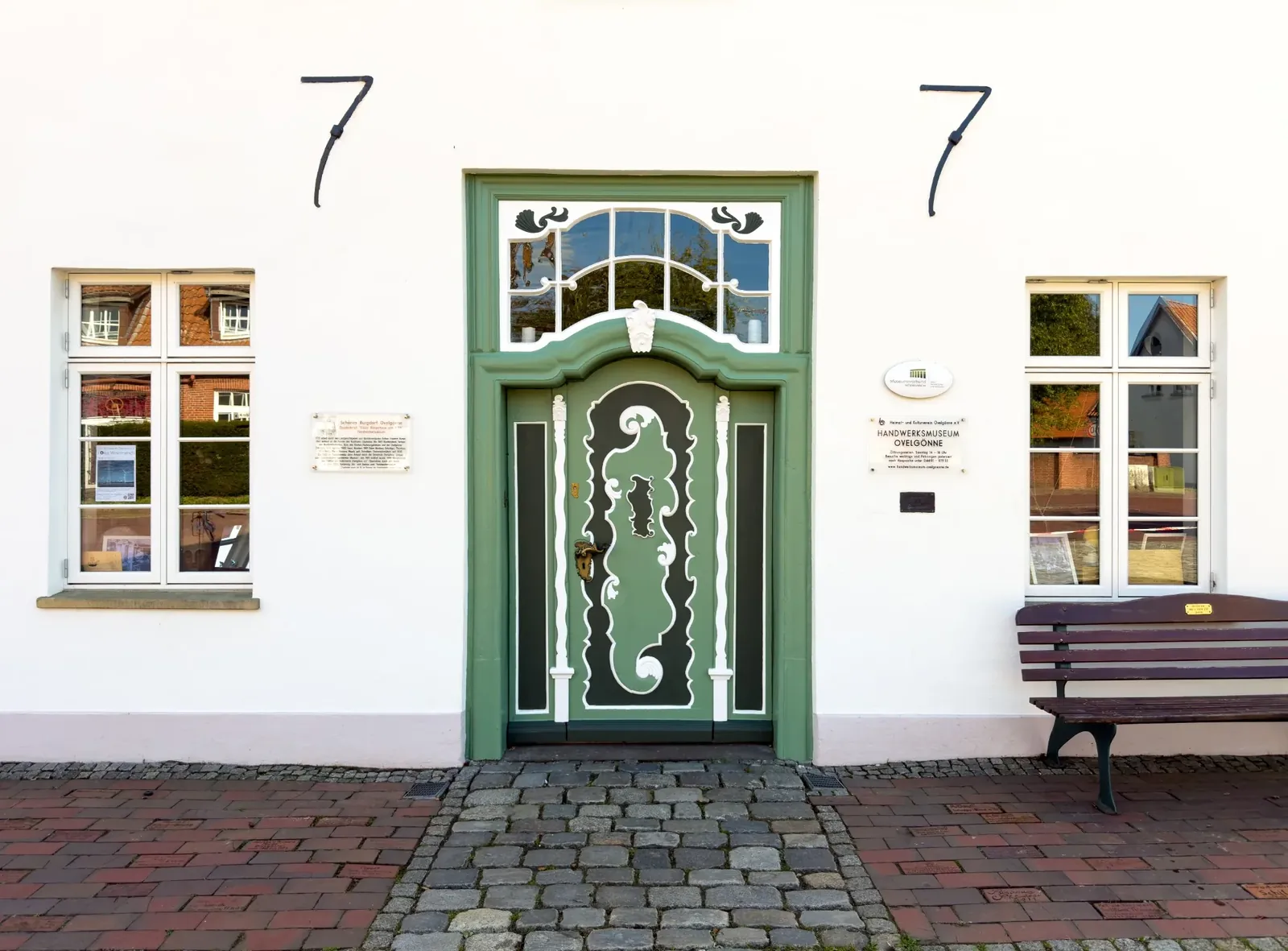
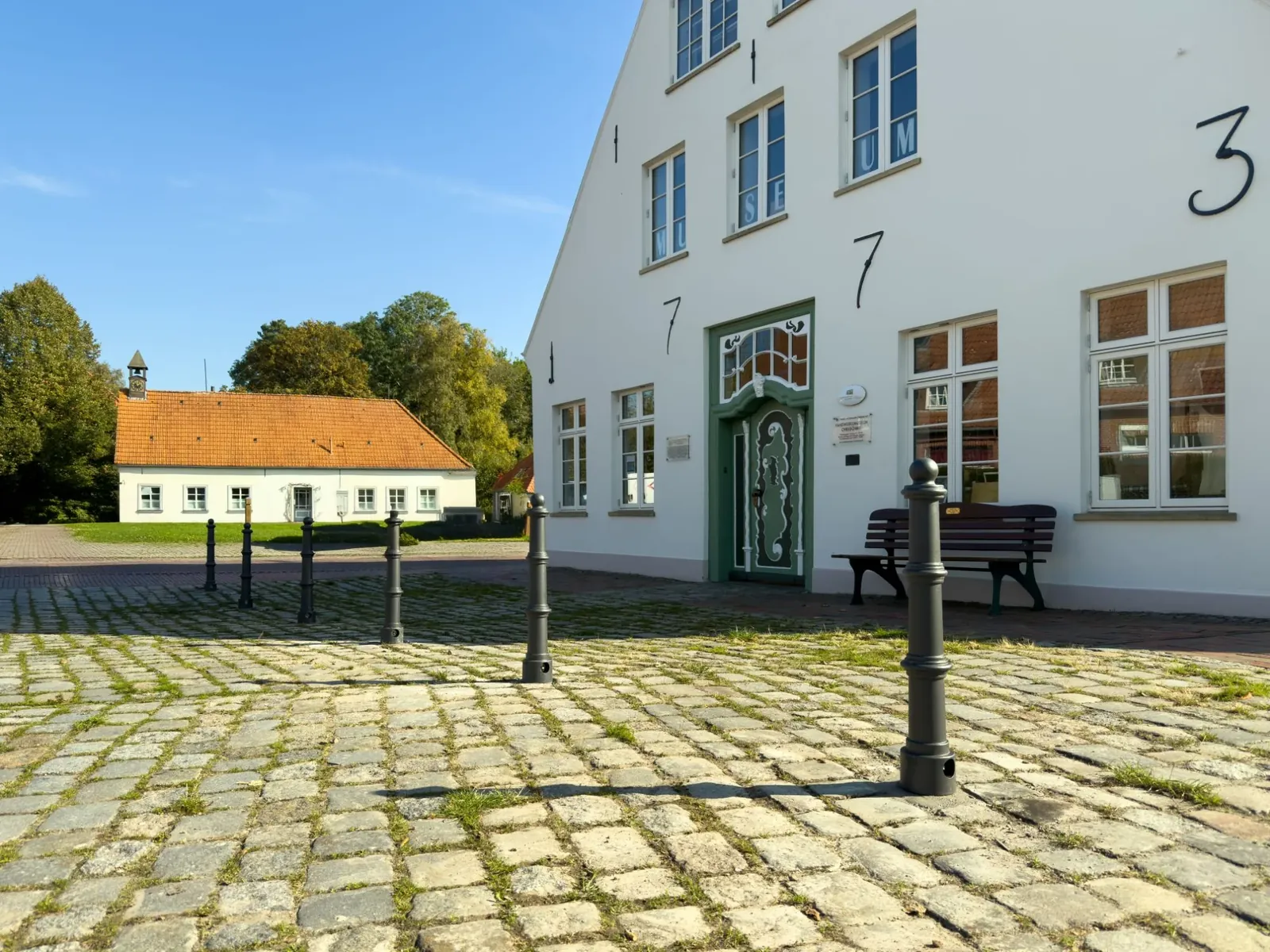
The restored green Rococo door of the main house
New in the collection

The Rococo door

The historic entrance door of our main house from 1773 has returned. After extensive restoration the valuable original shines in new splendour, one of the most important pieces in our collection.

View on the plan
The museum grounds

Five places, one courtyard

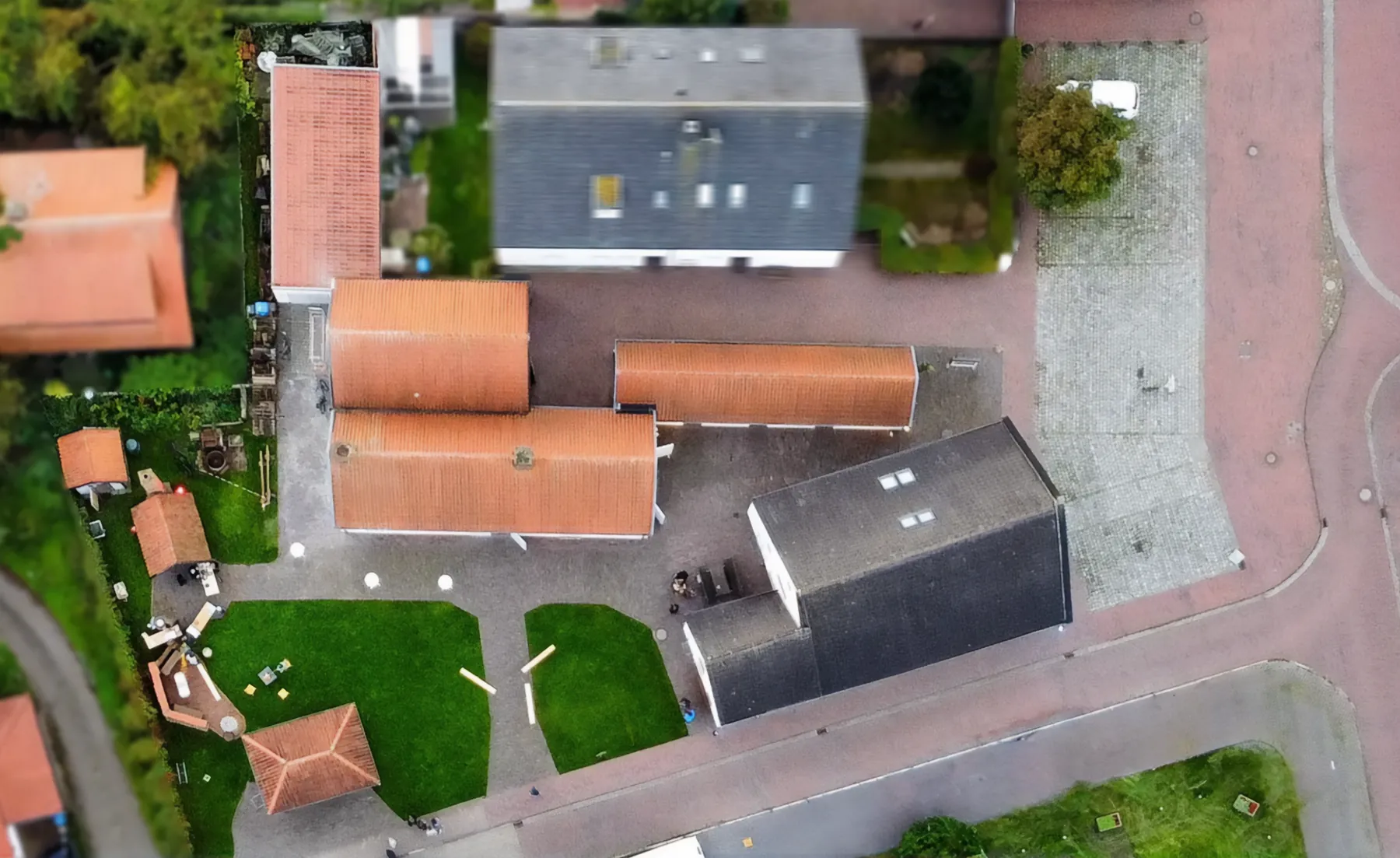
The museum consists of the historic main house and several outbuildings around a shared courtyard at Breite Straße 27. You explore everything freely and independently. Tap a place in the aerial view.

Aerial view of the museum grounds with main house, outbuildings and garden
The main house with its green Rococo door, with a bollard and a bench in front

01 · Townhouse from 1773

The main house

The listed townhouse in the style of the late Baroque is an example of the Oldenburg gabled houses. Above the entrance with the Rococo door an angel relief sits at the tip of the gable, and an extension from 1888 enlarged the house. The permanent exhibition spreads across the ground floor and the upper floor.

  • Two floors
  • Free tour
  • Ground floor wheelchair accessible
The tour

Room by room, House and courtyard

The tour is free; you explore house, courtyard and garden on your own. The plan shows what you will find behind which door. It is schematic and not to scale. In the house the entrance door is at the bottom and you look upwards; through the back door you reach the garden and the outbuildings.

From the entrance through the hallway to the back door to the garden.

Access The ground floor is wheelchair accessible; the men’s toilet is wheelchair accessible.

01
EntranceBack door to the garden
  • Exhibition room
  • Services and stairs
  • Hallway
  • Outline of the other floor

Room 1 of 11

The Chapters

Follow the golden thread

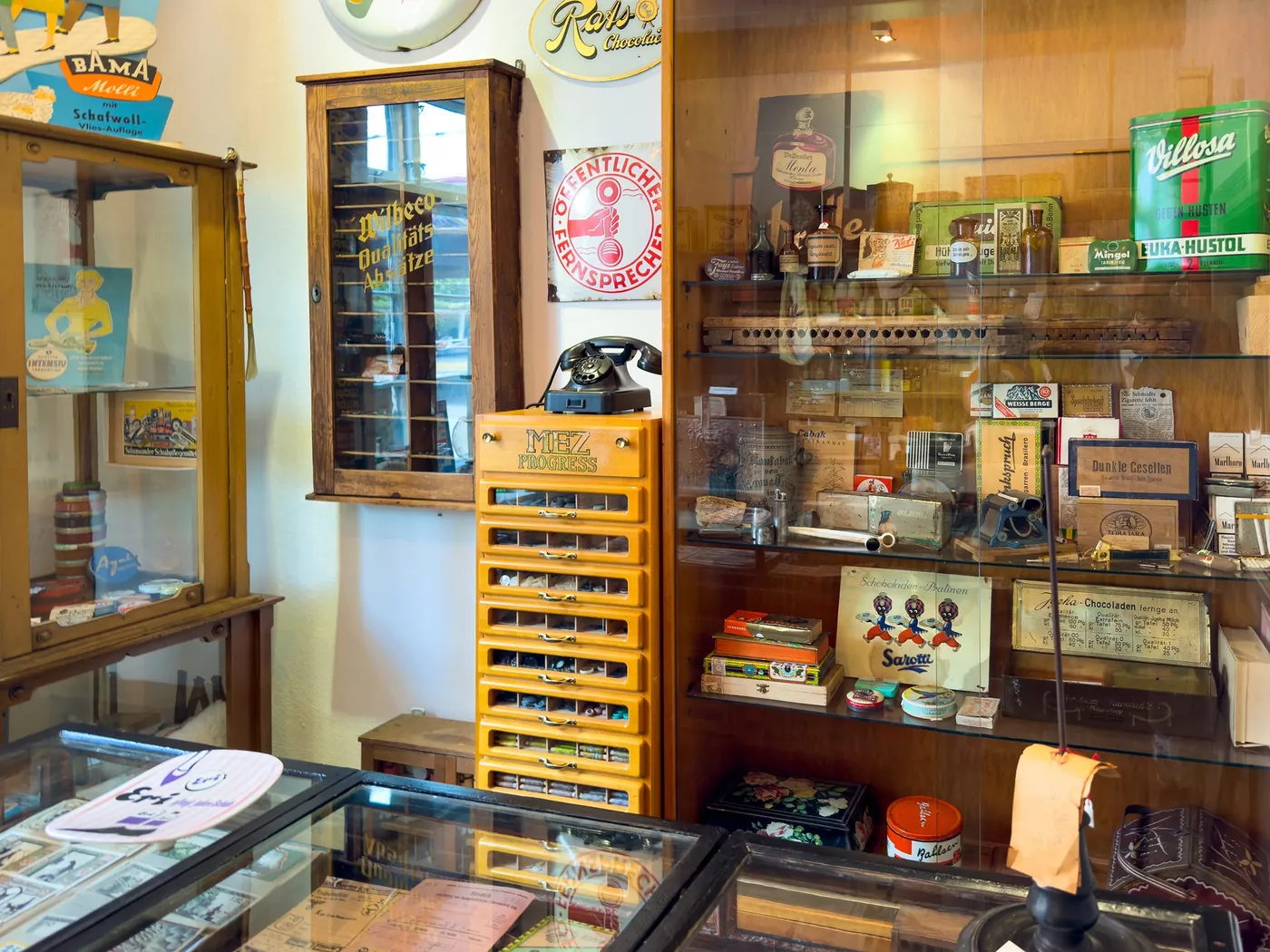
Our permanent exhibition weaves historic crafts and village life across several buildings into a living picture of past centuries. The golden thread leads you through all five chapters of our collection.

  1. Chapter 01

    Trade & Health

    Pharmacy, medicine, groceries and barber: everyday life on the historic ground floor.

    Ground Floor
  2. Chapter 02

    Craft & Building

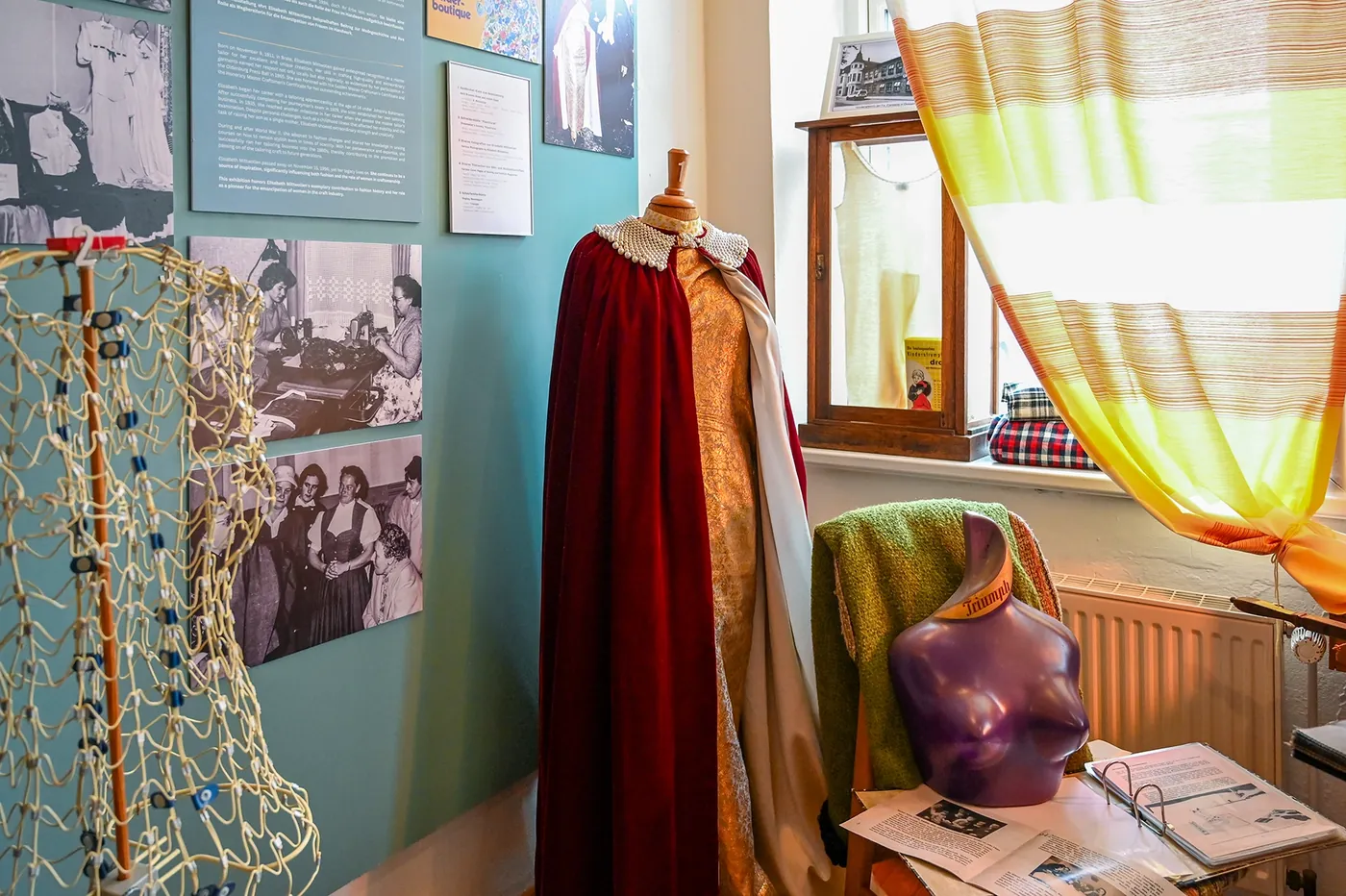
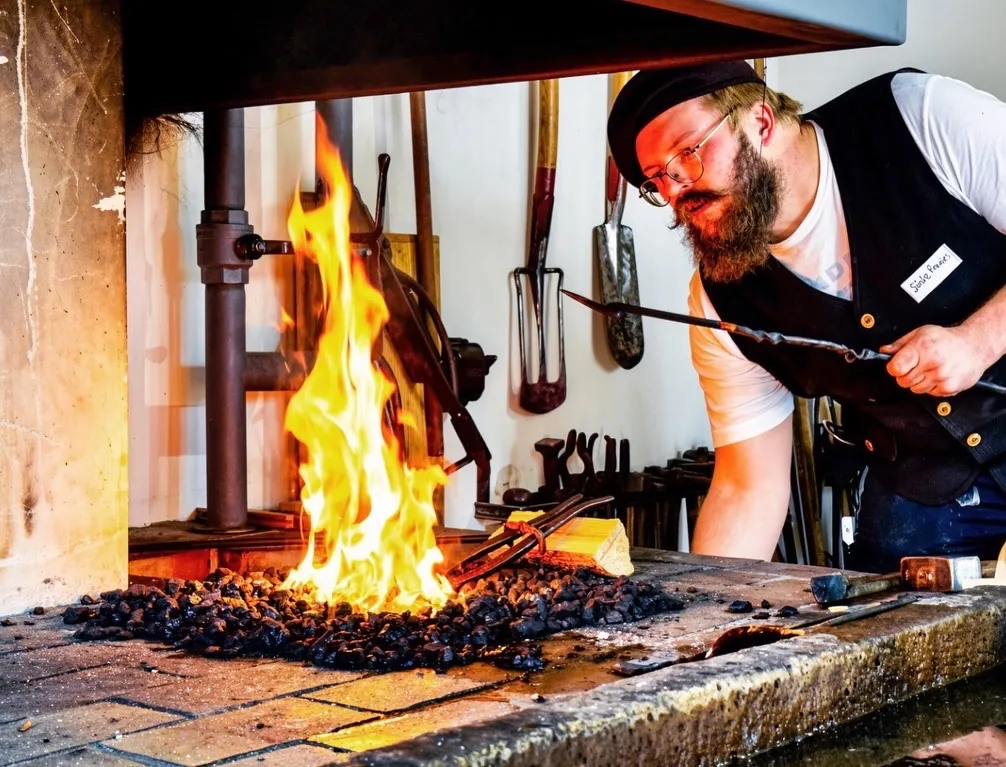
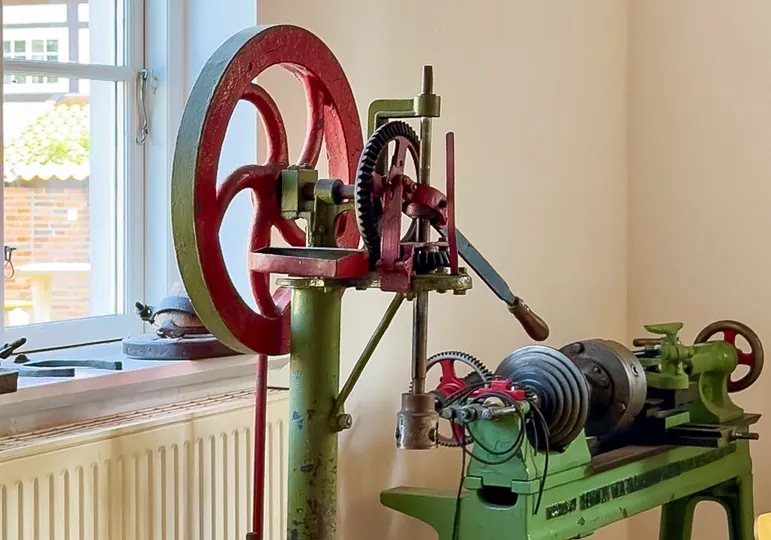
    Forge, wall painting, thatch, textiles, wheelwright’s workshop: the craft foundations of village life.

    House and courtyard
  3. Chapter 03

    Food & Home

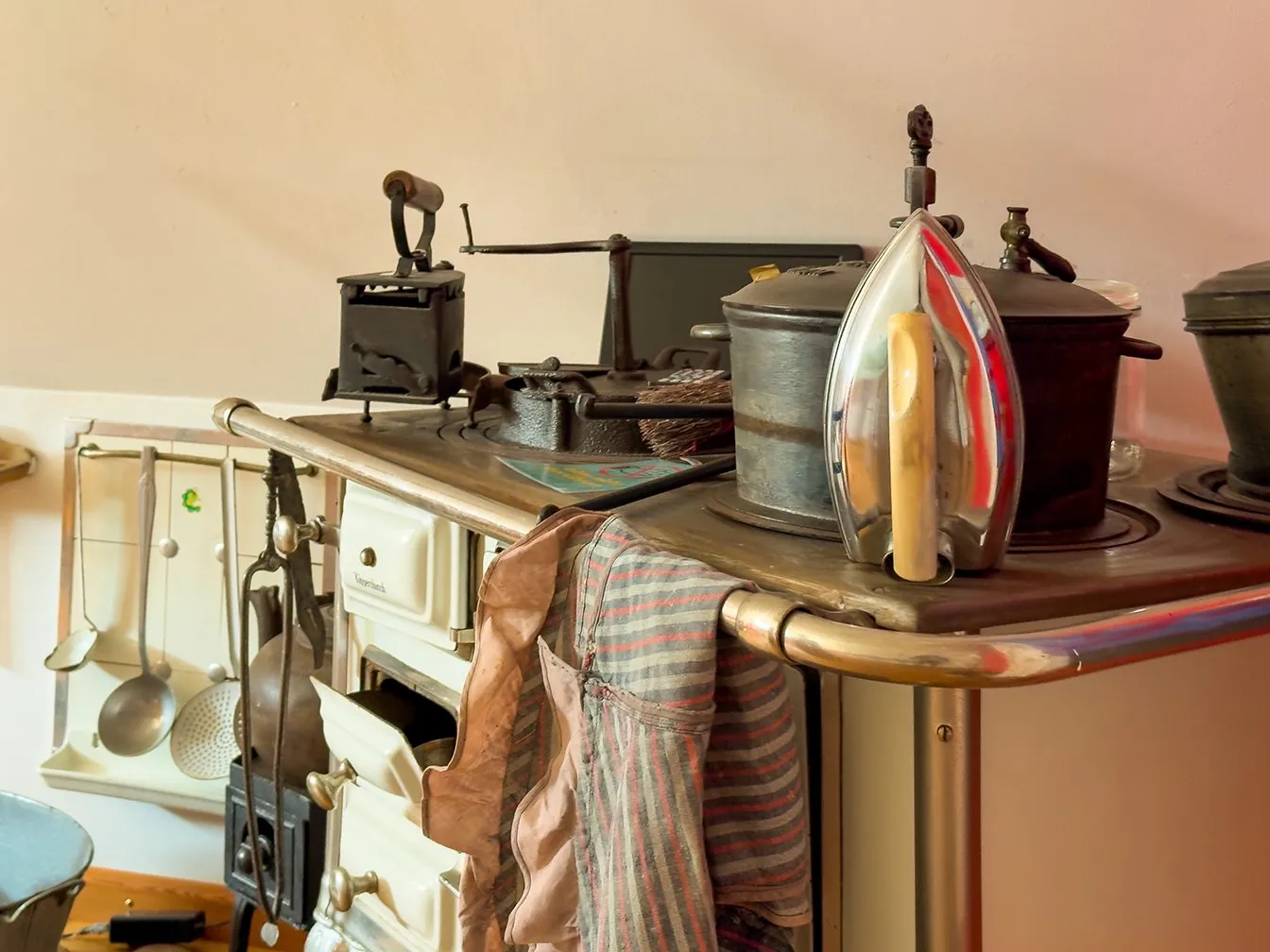
    Bakery, butcher, kitchen: the world of food, cooking and domestic work.

    Upper Floor
  4. Chapter 04

    Culture & People

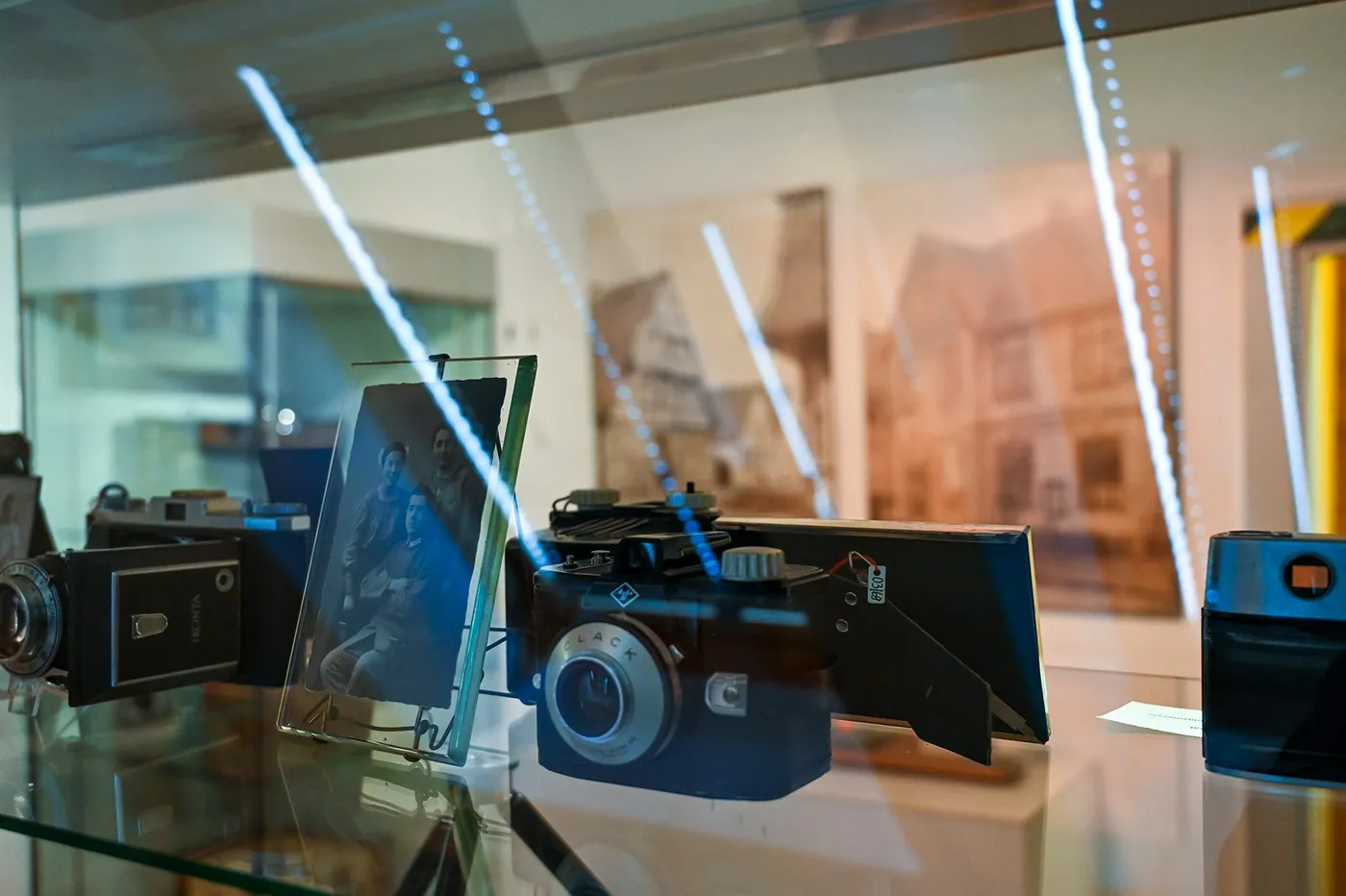
    Singer’s Room, photography, watchmaking, Bakelite: cultural life and the people who shaped Ovelgönne.

    Upper Floor
  5. Chapter 05

    Nature, Technology & Heritage

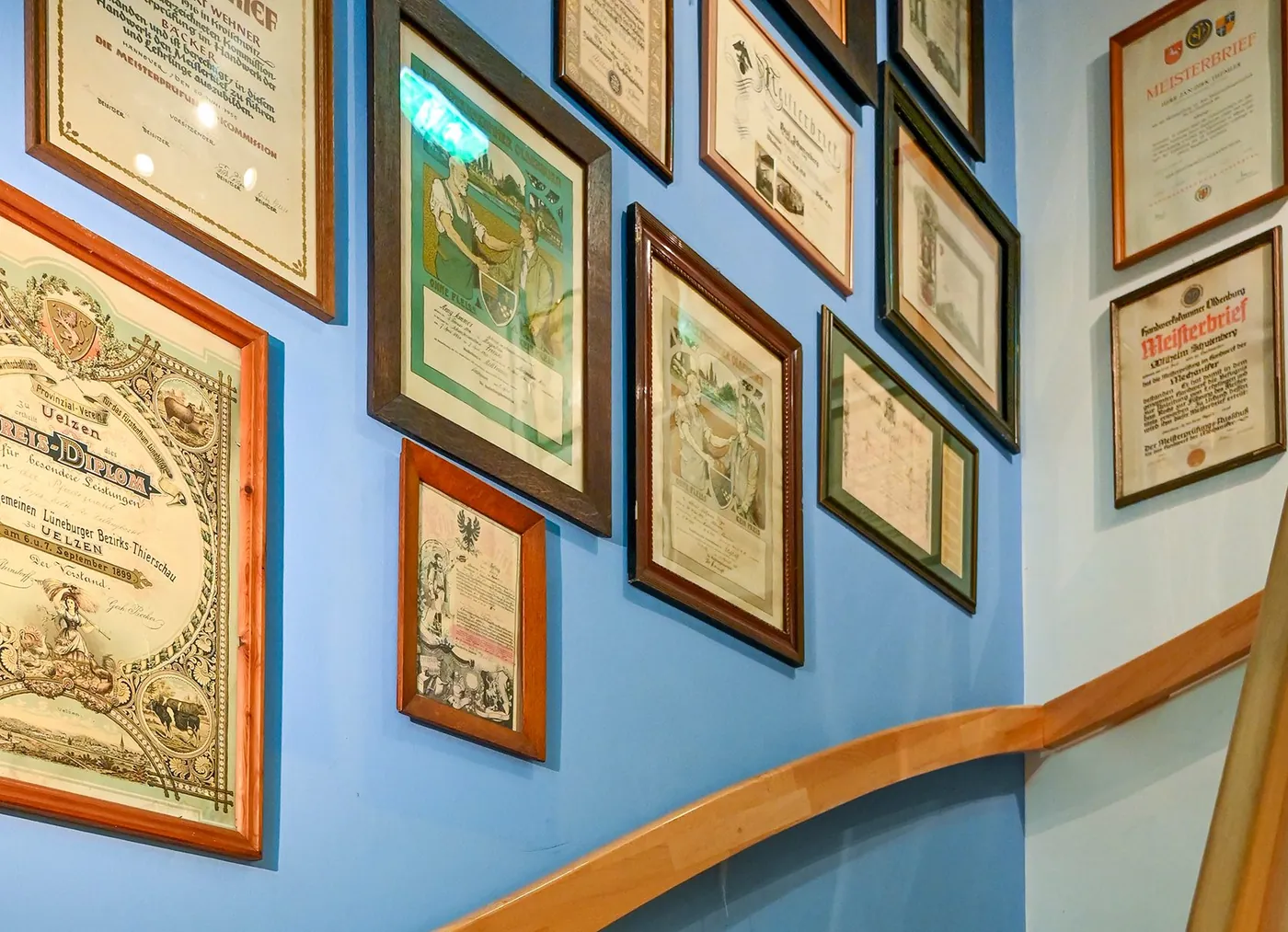
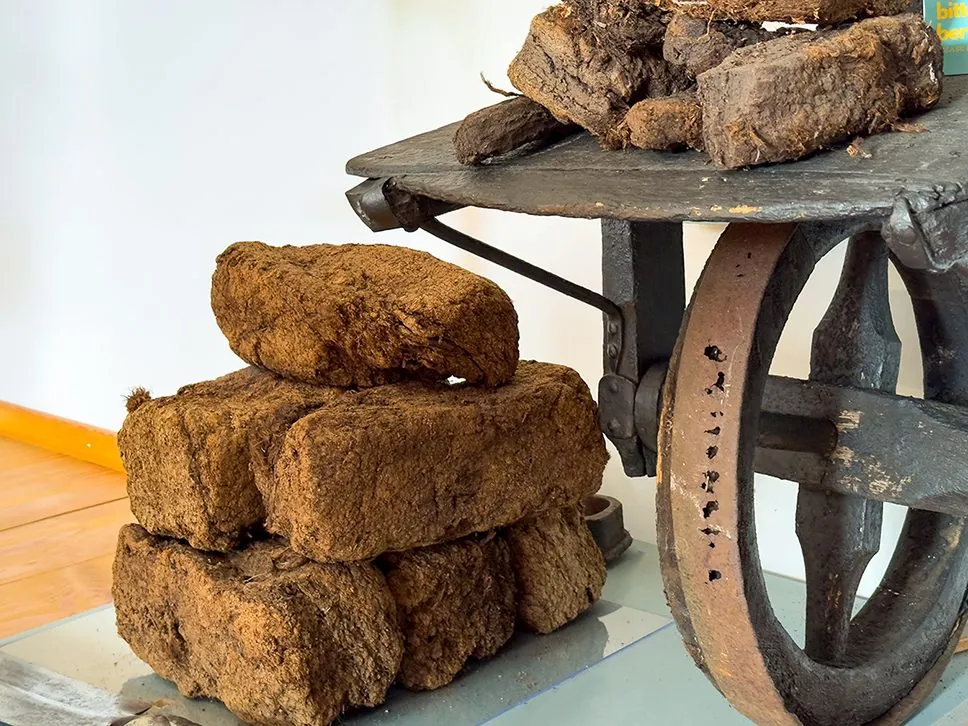
    Peat cutting, historic large machines and master certificates: the material basis of life in the Wesermarsch.

    House and garden
Annually changing

Special Exhibitions:
Ever new perspectives

Each year we dedicate ourselves to new aspects of the cultural history of our region. In the special exhibition room you encounter fascinating details of craft and everyday history, regional peculiarities and inspiring biographies.

Scientifically grounded, yet accessible to all: our special exhibitions complement the permanent exhibition with perspectives you will not find in any textbook.

Location
Special exhibition room, Breite Straße 27
Opening
Sunday 2 to 6 pm or by arrangement
Admission
included in the admission to the permanent exhibition, opening night free
Archive
over 40 past exhibitions
View into a current special exhibition
New every year
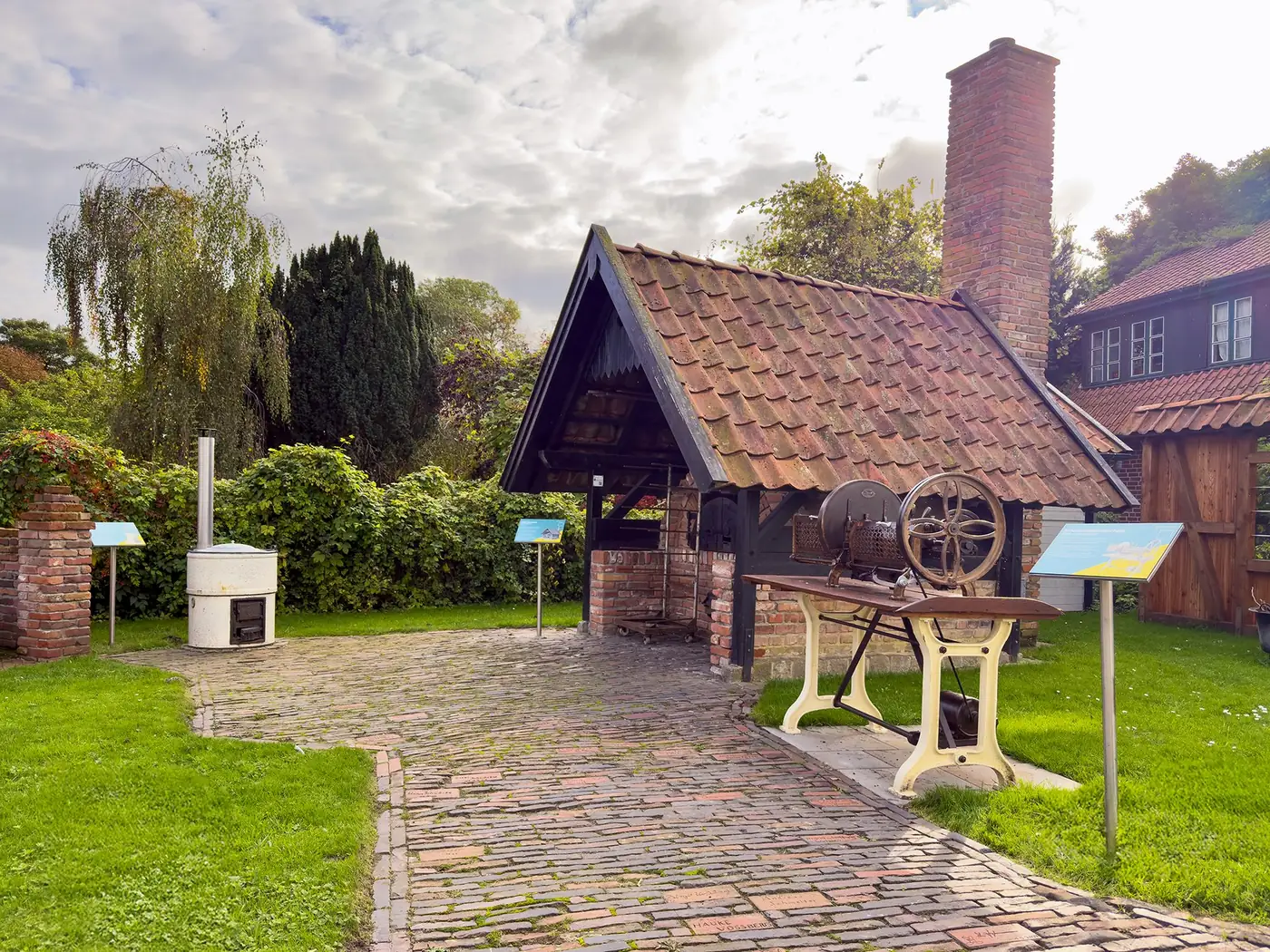
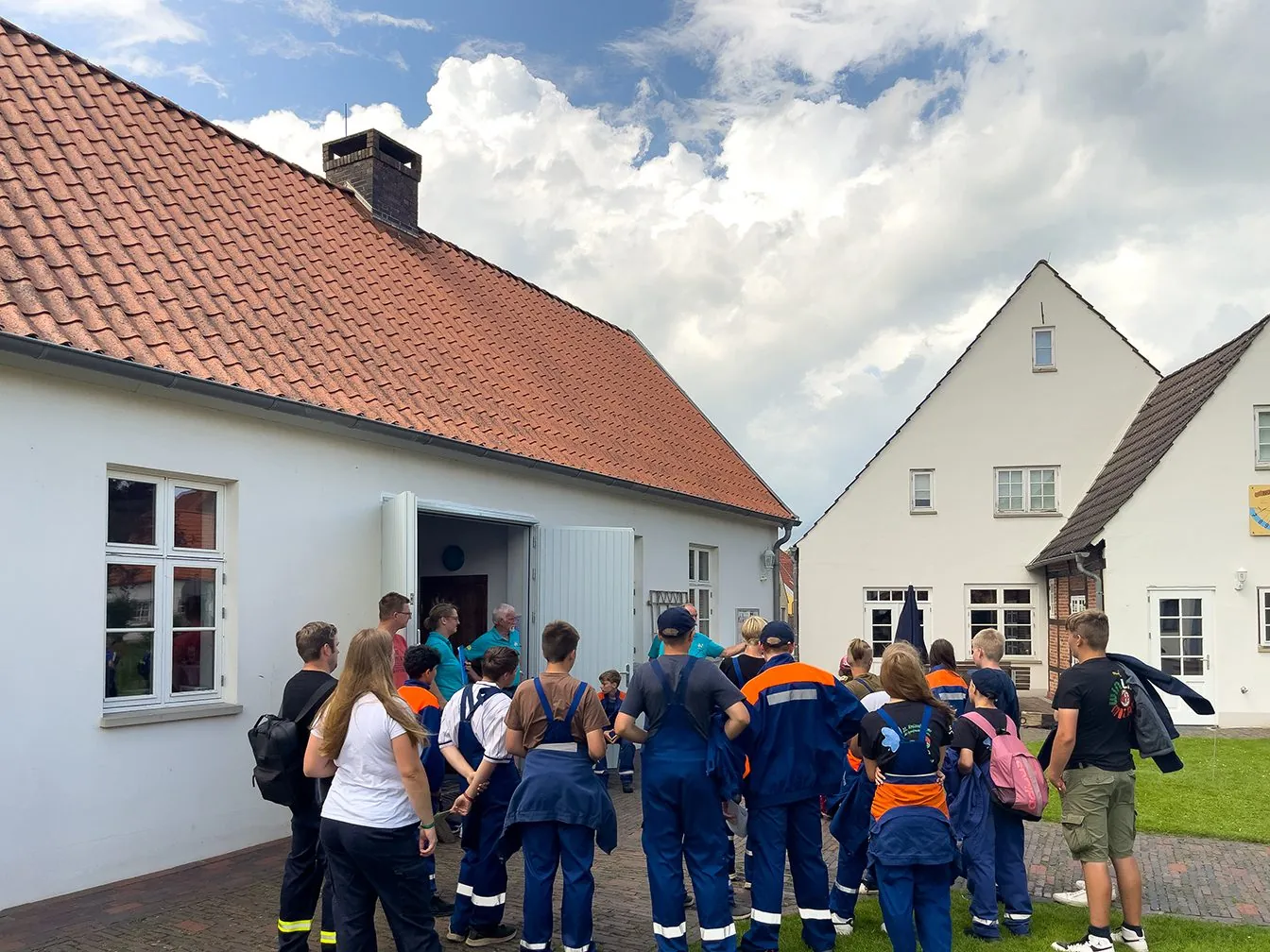
A group is welcomed in front of the old forge in the museum courtyard
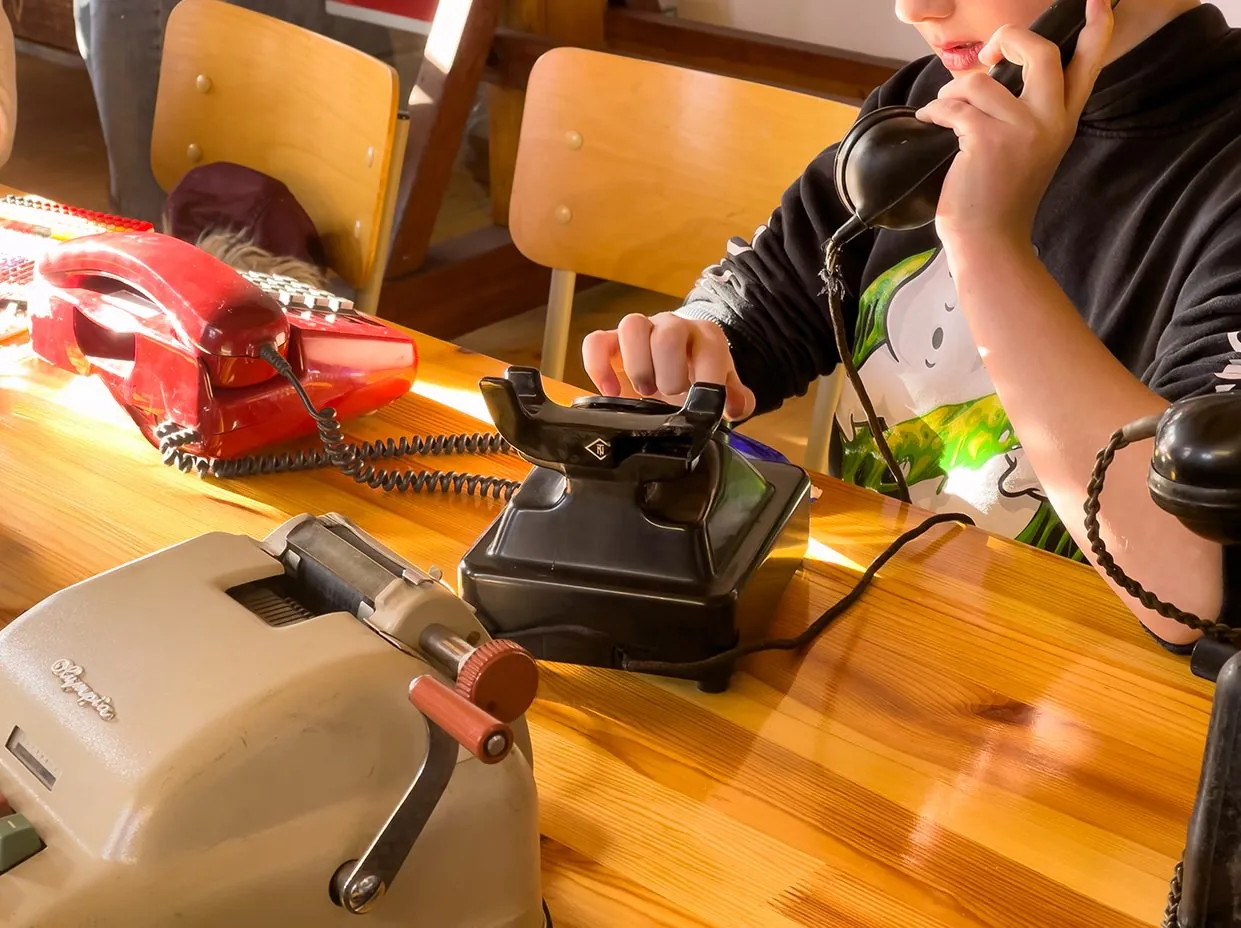
A child tries out a historic telephone in the museum
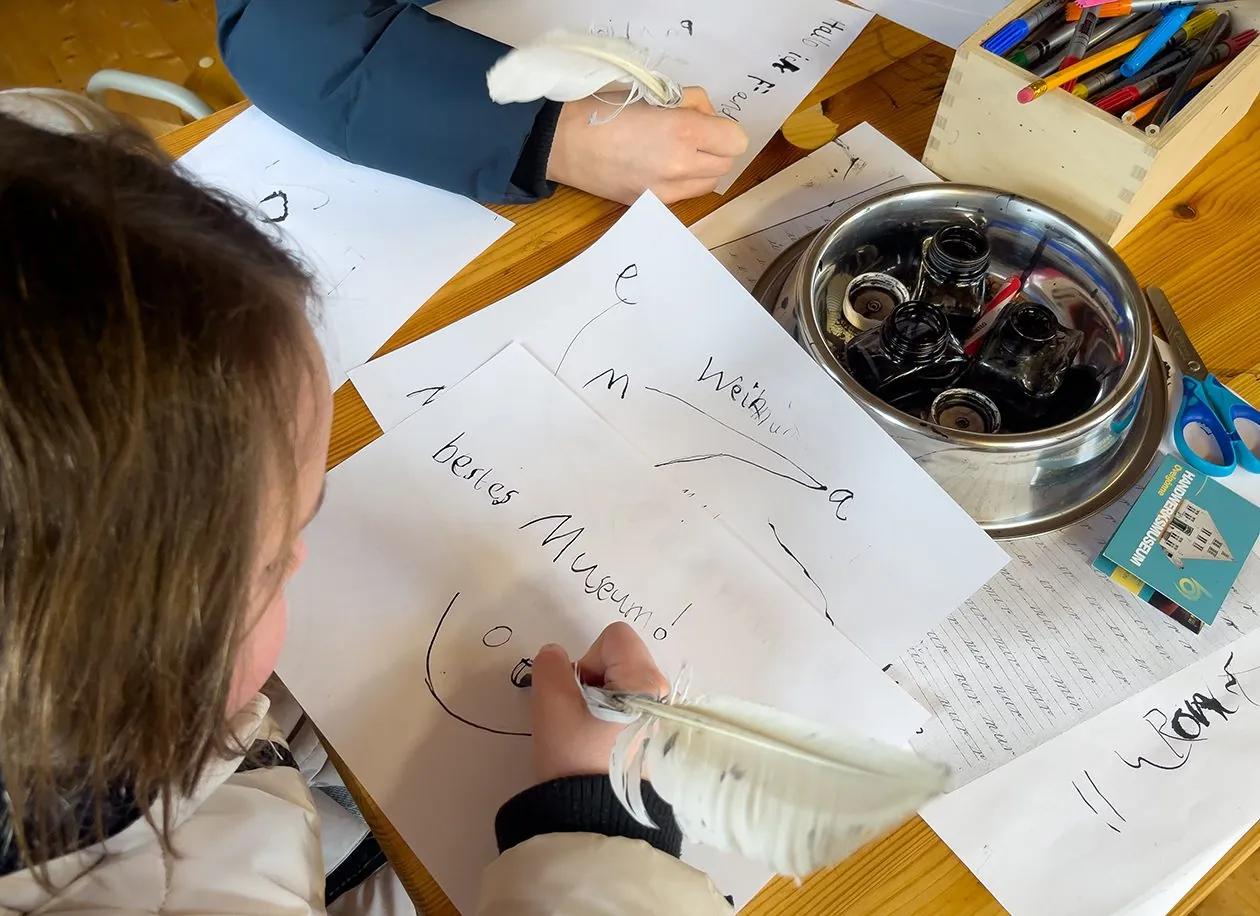
Children write with quills in a workshop
Tours & Groups

Discover together

Planning a trip with a school class, friends, a club or family? Our volunteer experts guide you through the exhibition rooms, on request also in Plattdüütsch (Low German).

  • About 90 minutesLength of a tour
  • German, English, Low GermanLanguage of your choice
  • Also outside opening hoursBy prior booking
Practical

Questions & Answers

The most important things for your tour. You will find everything else about getting here, prices and opening hours on the Visit page.

All visitor information and directions
How long does a tour take?

For a tour through all the rooms, allow 60 to 90 minutes. Everyone moves through the exhibition differently; some need less time, others more.

Do I need to register or book a tour?

No. The tour is free; you explore house, courtyard and garden on your own and decide on the pace and order yourself. For groups we offer guided tours on request, also in English and Low German. More in the Tours section or on the Visit page.

Where does the tour begin?

Through the green Rococo door of the main house you enter the hallway on the ground floor. The ticket desk is there, and the free tour begins here. The plan above shows you what you will find behind which door.

Is the exhibition accessible?

The ground floor and the outbuildings are wheelchair accessible, the men’s toilet is wheelchair accessible, and the garden has low-barrier access. There is not yet a lift to the upper floor; we are working on digital alternatives. Please feel free to talk to us in advance.

Is there a media guide?

With QR codes in the exhibition you call up in-depth information on your smartphone, free of charge and without an app.

Where are the cloakroom, toilets and museum shop?

The cloakroom and toilets are at the back entrance to the garden, and the cloakroom is also at the ticket desk. The museum shop is on the ground floor in the back hallway. You can leave large bags and rucksacks free of charge. There is no café, but there are places to eat in the village centre.

May I take photographs?

For personal use, gladly, without flash and without a tripod. For commercial recordings please ask us beforehand.

Are dogs allowed?

Unfortunately not in the narrow exhibition rooms. Assistance dogs and small dogs that are carried are welcome; on the outdoor grounds all dogs on a lead.

How do I get to the museum?

There is free parking at the museum and in Breite Straße, and parking areas for coaches nearby. Cyclists are welcome. The main entrance is the green Rococo door of the main house.

Can I do research in the archive?

Enquiries and data requests about our archive are always welcome. Unfortunately, working in the archive itself is not permitted for conservation, restoration, security and space reasons.